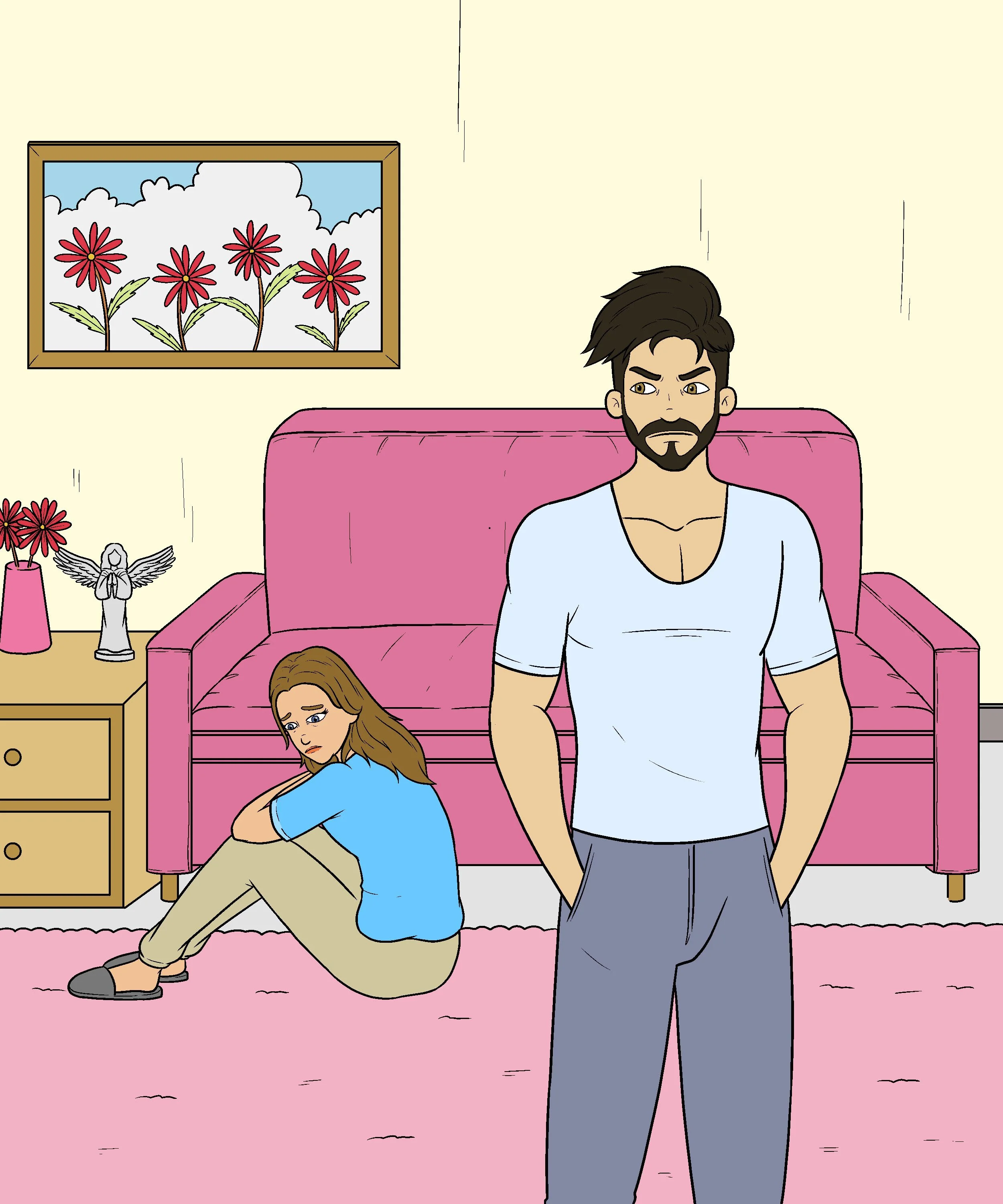
How to Recover from Betrayal
Betrayal Trauma
https//:www.openheartassets.com
What Is Betrayal Trauma?
Betrayal trauma occurs when someone you deeply trust violates that trust—often over a prolonged period of time. The wound is not only in the hurtful behaviour but in the devastating realisation that the life you believed you were living was based on a facade. When this truth emerges, it can feel as though your entire internal world has collapsed. Many people describe questioning their memories, their judgment, and even their sense of identity.
If you are moving through this experience, you are not alone. Supporting clients with betrayal trauma is one of my clinical psychology special interests. I offer trauma-informed care through online psychology sessions worldwide and face-to-face consultations on the Gold Coast, Queensland. My work is grounded in both extensive clinical experience and personal understanding of how profoundly betrayal can shape the emotional landscape.
Symptoms of Betrayal Trauma
Betrayal trauma often mirrors a complex trauma response. These symptoms can feel overwhelming, frightening, and confusing—but they are a normal reaction to an abnormal situation.
Rumination and replaying conversations or events
Fixation on details or obsessiveness about timelines
Hypervigilance and difficulty calming the nervous system
Poor concentration or memory lapses
Anxiety, panic, or emotional flooding
Sleep disturbance or nightmares
Loss of appetite
Shame, self-blame, or feeling “foolish”
Fear of judgment from others
Difficulty trusting anyone—including yourself
Grief, sadness, numbness, or emotional shock
These responses arise because betrayal destabilises your internal sense of safety. You are reacting exactly as a human being would when their world has been shaken.
Why Didn’t I See the Betrayal Signs?
This is one of the most common questions I hear. Missing the signs of betrayal does not mean you were naive or unintelligent. There is a clear psychological explanation for this experience.
Betrayal Blindness Explained
Psychologist Jennifer Freyd coined the term betrayal blindness to describe the mind’s protective strategy in relationships where acknowledging a betrayal would threaten emotional or physical security. Your brain may “push away” information that feels too destabilising to process. She refers to the process as the “whoosh” effect where essentially, we “whoosh” away any evidence, feeling or thought that would threaten our attachment bond. Jennifer Freyd proposes this is most likely to occur when we feel we need the person in question.
This is an adaptive survival mechanism—not a flaw. Your system was protecting you.
When your emotional, relational, or practical safety relies on another person, your mind may unconsciously minimise or block awareness of harmful behaviour. This is a protective survival response—not a personal failure. Your brain was trying to shield you from a truth that would have felt too dangerous to acknowledge at the time.
What Are Trauma Bonds and Why Are They Connected to Betrayal Trauma?
A trauma bond forms when the person who causes emotional pain is also the person who provides comfort, closeness, or reassurance. This creates a powerful attachment cycle where your nervous system becomes bonded to the very individual who is destabilising your emotional world.
Trauma bonds often develop in relationships where there is:
Intermittent affection mixed with instability or deception
Emotional inconsistency or manipulation
Promises followed by repeated violations of trust
A cycle of hurt, apology, and reconnection
This dynamic makes it incredibly difficult to recognise betrayal while it is happening. In fact, trauma bonds often intensify betrayal blindness and make leaving or confronting the situation feel emotionally unsafe.
Understanding trauma bonds can be a profoundly relieving part of healing. Many clients experience a sense of clarity and self-compassion once they recognise that their attachment patterns were a survival response—not a reflection of weakness or fault. This is an area I work with deeply in both my online psychology sessions and in-person therapy on the Gold Coast, Queensland.
How to Heal from Betrayal Trauma
Healing is absolutely possible. Recovery from betrayal trauma involves rebuilding your internal foundations, processing the emotional aftermath, and restoring your sense of safety and trust.
Rebuilding Trust in Yourself
Betrayal often damages your confidence in your intuition and judgment. Therapy helps you reconnect with your inner signals and develop self-trust in a steady, supported way. To learn more about my approach, visit my About page.
Working Through the Emotional and Physical Symptoms
A trauma-informed approach helps you regulate hypervigilance, reduce rumination, manage anxiety, and stabilise the nervous system. Healing requires safety, gentleness, and pacing.
Accessing Professional Support
I offer warm, grounded, trauma-informed therapy online worldwide and face-to-face on the Gold Coast, Queensland. Together, we can process the emotional impact of the betrayal, understand the psychological patterns involved, and rebuild your sense of clarity and self-worth.
How Long Does Betrayal Trauma Last?
Recovery time varies and depends on several factors:
The length and severity of the betrayal
Whether the trauma echoes earlier life experiences
Your support system
Your ability to access trauma-informed therapy
Many people begin to feel more grounded once they understand their symptoms and start working through the emotional layers with compassionate guidance. You can explore my healing approach through my therapy services.
Why Betrayal Hurts So Much
Betrayal deeply affects the attachment system—the part of us responsible for safety, bonding, and emotional predictability. When someone you trust deceives you, it ruptures your sense of stability, fairness, and identity. This is why betrayal produces such a profound sense of injustice and emotional pain.
The wound is relational, psychological, and existential all at once.
Signs of Trauma After Infidelity
Infidelity is one of the most common triggers for betrayal trauma. After discovering an affair, you may experience:
Intrusive thoughts or replaying details
Comparisons with the other person
Feeling “not enough” or unworthy
Shock, disbelief, or numbness
Fear of the future or abandonment
Swings between anger, grief, and confusion
Infidelity is not merely a relationship rupture—it is a psychological trauma. The reactions you are experiencing are valid and appropriate.
Signs of Trauma After a Trauma Bond
When betrayal occurs inside a trauma bond, the signs can feel confusing and contradictory. A trauma bond creates a strong emotional attachment to the very person who is causing the harm, making it harder to recognise the betrayal or step away from it. Common signs include:
Feeling “hooked” or unable to detach from the relationship despite repeated hurt
Minimising or rationalising the other person’s behaviour
A strong push–pull dynamic—feeling desperate for closeness yet fearful of conflict
Taking responsibility for the other person’s emotions or actions
Forgiving harmful behaviour quickly in order to restore connection
Feeling intense anxiety or panic at the thought of the relationship ending
Experiencing shame for staying, leaving, or even questioning the relationship
Confusion about what is real and what is manipulation
These signs do not indicate weakness—they reflect a nervous system conditioned to seek safety through the person who is simultaneously creating the emotional injury. Understanding this dynamic is often a pivotal step toward healing. Start Healing Today.
Signs of Trauma After Family Betrayal
Family betrayal cuts deeply because it impacts the earliest layers of attachment, identity, and emotional safety. When betrayal comes from a parent, sibling, or caregiver, it can shape lifelong patterns of relating. Common signs of trauma after family betrayal include:
Feeling responsible for maintaining family harmony at your own expense
Difficulty trusting others or allowing closeness in relationships
A chronic sense of hypervigilance or being “on guard” around loved ones
Feeling guilty or disloyal when setting boundaries with family members
Minimising or normalising past hurtful behaviour
Overachieving, people‑pleasing, or over-functioning to avoid criticism
Accepting mistreatment in adult relationships because it feels familiar
Confusion about what healthy family dynamics should look like
Betrayal within families often lays the groundwork for trauma bonds in later relationships, because the nervous system gravitates toward what it recognises—even when it is painful. Gently exploring these patterns can be deeply healing and transformative. Start Healing Today.
Can You Recover From Betrayal Trauma?
Yes. With time, support, and compassionate therapeutic guidance, people absolutely recover from betrayal trauma. Many individuals eventually emerge with stronger boundaries, deeper self-awareness, and a clearer understanding of their emotional needs.
If you are ready to begin your healing journey, you can book an online or in-person therapy session or contact me directly to learn more.