11 Types of Gaslighting in Relationships (And How It Affects Your Mental Health)
Gaslighting In Relationships
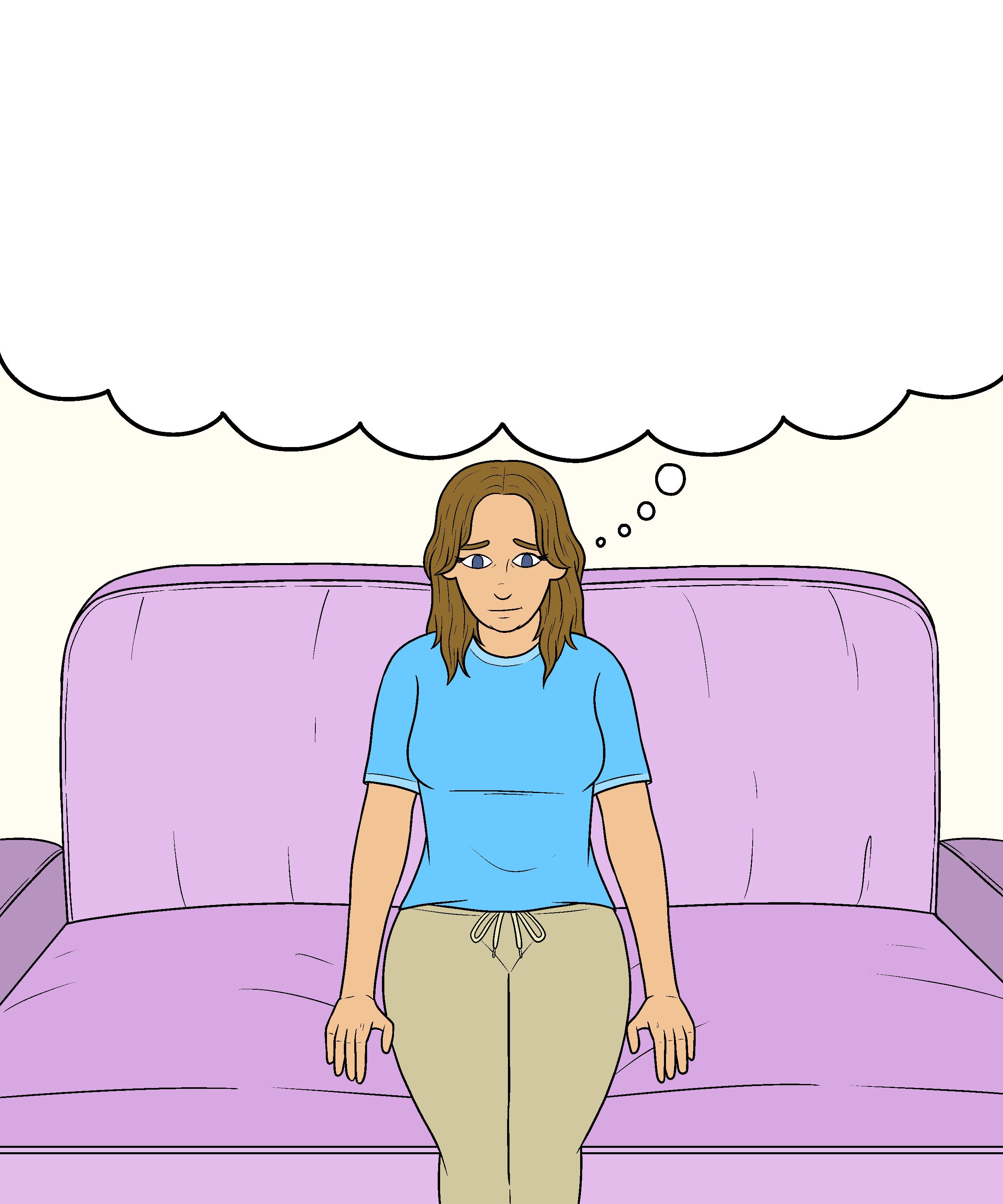
Gaslighting in relationships is one of the most confusing and psychologically damaging forms of emotional manipulation that can occur. Many people sense that something is wrong but struggle to articulate what is happening to them. Over time, gaslighting can leave a person doubting their own memory, emotions, and even their sanity.
In my work as a clinical psychologist specialising in relationship trauma, I often see the profound psychological impact gaslighting can have on individuals. Understanding the different types of gaslighting is an important step toward recognising harmful relationship patterns and protecting your psychological wellbeing.
What Is Gaslighting?
Gaslighting is a form of psychological manipulation where one person attempts to distort another person’s perception of reality. The goal—conscious or unconscious—is often control, power, or avoidance of accountability. Over time, this manipulation can erode confidence and create deep self-doubt.
Gaslighting often occurs in romantic relationships, but it can also occur in families, friendships, or workplaces. Because it tends to be subtle and cumulative, many people do not realise they are experiencing it until significant emotional harm has already occurred.
Below are some of the most common types of gaslighting used in harmful or abusive relationships.
1. Reality Denial
One of the most classic forms of gaslighting is denying events that clearly occurred.
Examples might include statements such as:
“That never happened.”
“You’re imagining things.”
“You’re remembering it wrong.”
When this occurs repeatedly, the person on the receiving end may begin to question their own memory and perception of events. Over time, they may start relying on the gaslighter to determine what is “true.”
2. Emotional Invalidation
Another common form of gaslighting involves minimising or dismissing someone’s emotional reactions.
Common phrases include:
“You’re too sensitive.”
“You’re overreacting.”
“You’re making a big deal out of nothing.”
This tactic undermines emotional self-trust. When someone’s feelings are repeatedly dismissed, they may start believing their emotional responses are unreasonable or flawed.
3. Rewriting History
Some gaslighters actively reinterpret past events to fit their narrative. They may insist that events happened differently or claim conversations never occurred.
For example:
“That’s not how the argument went.”
“You’re twisting the story again.”
This tactic slowly reshapes the shared history of the relationship and can create deep confusion about what really happened.
4. Blame Shifting
Blame shifting occurs when a person redirects responsibility for their behaviour onto their partner.
Examples include:
“You made me act this way.”
“If you weren’t so difficult, I wouldn’t get angry.”
This manipulation causes the recipient to feel responsible for the other person’s behaviour and emotions. Over time, they may internalise guilt and believe they are the problem in the relationship.
5. Projection
Projection is when someone accuses their partner of behaviours they themselves are engaging in.
For instance:
A partner who lies may accuse the other person of being dishonest.
A controlling partner may accuse their partner of being manipulative.
This tactic creates confusion and shifts attention away from the gaslighter’s behaviour.
6. Minimisation
Minimisation occurs when someone downplays harmful behaviour or dismisses the impact it had.
Examples include:
“It was just a joke.”
“You’re making it bigger than it is.”
This can cause the person experiencing the behaviour to question whether their hurt is legitimate.
7. Withholding and Stonewalling
Some gaslighters manipulate conversations by refusing to engage or pretending not to understand.
Examples include:
“I don’t know what you’re talking about.”
Changing the subject when concerns are raised.
Refusing to discuss issues altogether.
This tactic can leave the other person feeling frustrated, dismissed, and emotionally abandoned.
8. Isolation Gaslighting
In more severe cases, gaslighting may involve undermining a person’s support network.
Examples include:
“Your friends don’t really care about you.”
“Your family is trying to turn you against me.”
By eroding trust in external relationships, the gaslighter can increase emotional dependence.
9. Weaponising Love
Sometimes gaslighting is disguised as affection or concern.
Examples include:
“I only say this because I love you.”
“No one else would put up with you the way I do.”
These statements distort the meaning of love and can make a person believe they are fortunate to receive treatment that is actually harmful.
10. Feigned Concern or “Caregiver” Gaslighting
A particularly confusing form of gaslighting occurs when someone presents themselves as the caring protector or helper, yet their behaviour ultimately keeps the other person dependent, uncertain, or emotionally destabilised.
In this dynamic, the person may repeatedly express concern and reassurance, saying things like:
“I only want to help you.”
“I’m the one who’s always here for you.”
“You need me — no one understands you like I do.”
At the same time, their actions may tell a different story. Promises may not be kept, support may be inconsistent, and when problems arise the responsibility may subtly be placed back onto the other person.
This creates a confusing emotional experience. The person experiencing the gaslighting hears declarations of care and concern, yet repeatedly feels let down, unsupported, or destabilised.
In some cases, the caregiver role can unconsciously provide the gaslighter with psychological rewards such as:
a sense of power or control
admiration for being “the supportive one”
attention or validation from others
maintaining the other person’s dependence
Because the behaviour is framed as care, it can be difficult to recognise the manipulation. The person on the receiving end may feel guilty questioning the intentions of someone who repeatedly claims they are trying to help.
Over time, the pattern often reveals itself through a gap between words and consistent, reliable actions. Genuine care in healthy relationships is expressed not only through concern, but also through reliability, accountability, and respect for the other person’s autonomy.
11. Mixed Messages and Psychological Confusion
Another powerful form of gaslighting occurs when someone consistently sends mixed and contradictory messages.
For example, a partner may say:
“I love you more than anything.”
“You’re the most important person in my life.”
Yet their behaviour may simultaneously involve criticism, emotional abuse, betrayal, or withdrawal of affection.
This contradiction between loving words and harmful behaviour can create intense psychological confusion. The person experiencing it may feel pulled between two realities: the hopeful belief that the loving version of their partner is the “real” one, and the painful experience of being mistreated.
Over time, these mixed signals can create a powerful psychological bind. The moments of affection or reassurance can temporarily restore hope, making it harder to fully recognise the pattern of harm. This cycle can lead people to question their own interpretations and remain in relationships that are deeply destabilising.
Psychologically, this pattern can lead to:
chronic confusion
self-doubt
emotional dependency
anxiety and hypervigilance
difficulty trusting one’s own perceptions
Many individuals describe feeling as though they are constantly trying to “make sense” of the relationship, hoping that if they just understand it better, the loving version of the partner will return.
In reality, the inconsistency itself often becomes part of the psychological manipulation.
Why Gaslighting Is So Psychologically Damaging
Gaslighting works by slowly eroding a person’s trust in their own internal experiences.
Over time, people who experience chronic gaslighting may develop:
self-doubt
anxiety
confusion
lowered self-esteem
trauma symptoms
Many individuals eventually feel as though they have “lost themselves” in the relationship. This psychological disorientation is why gaslighting is considered a serious form of emotional abuse.
Recognising Gaslighting Is the First Step Toward Healing
If you frequently feel confused after conversations, doubt your own memory, or feel responsible for someone else’s harmful behaviour, it may be helpful to reflect on whether gaslighting is occurring in your relationship.
Healthy relationships allow space for:
different perspectives
emotional validation
accountability
respectful disagreement
In contrast, gaslighting systematically undermines these foundations.
Understanding these patterns is often the first step toward reclaiming clarity, confidence, and psychological safety.
If you are experiencing relationship confusion, betrayal trauma, or emotional manipulation, speaking with a trained professional can help you regain perspective and rebuild trust in your own perceptions.
Frequently Asked Questions About Gaslighting
What are the signs of gaslighting in a relationship?
Common signs of gaslighting include frequently feeling confused after conversations, doubting your own memory, being told you are “too sensitive,” and feeling responsible for someone else’s harmful behaviour. Over time, gaslighting can erode self-confidence and make a person question their own perceptions of reality.
Why do people use gaslighting?
Gaslighting is often used to maintain power, control, or avoid accountability in a relationship. By creating confusion and self-doubt, the person using gaslighting may gain psychological advantage or influence over the other person.
Is gaslighting a form of emotional abuse?
Yes. Gaslighting is widely recognised as a form of emotional and psychological abuse because it deliberately undermines a person’s sense of reality, emotional trust, and self-confidence.
Can gaslighting cause trauma?
Long-term exposure to gaslighting can lead to significant psychological distress, including anxiety, low self-esteem, emotional confusion, and trauma symptoms. Many people describe feeling as though they have lost trust in their own perceptions.
Can therapy help someone recover from gaslighting?
Yes. Working with a therapist who understands relationship trauma can help individuals rebuild trust in their own perceptions, process the emotional impact of the relationship, and develop healthier relational boundaries.
Narcissistic Abuse Recovery Gold Coast
Narcissistic Abuse and DARVO: Understanding the Pattern, the Psychology, and the Path to Healing
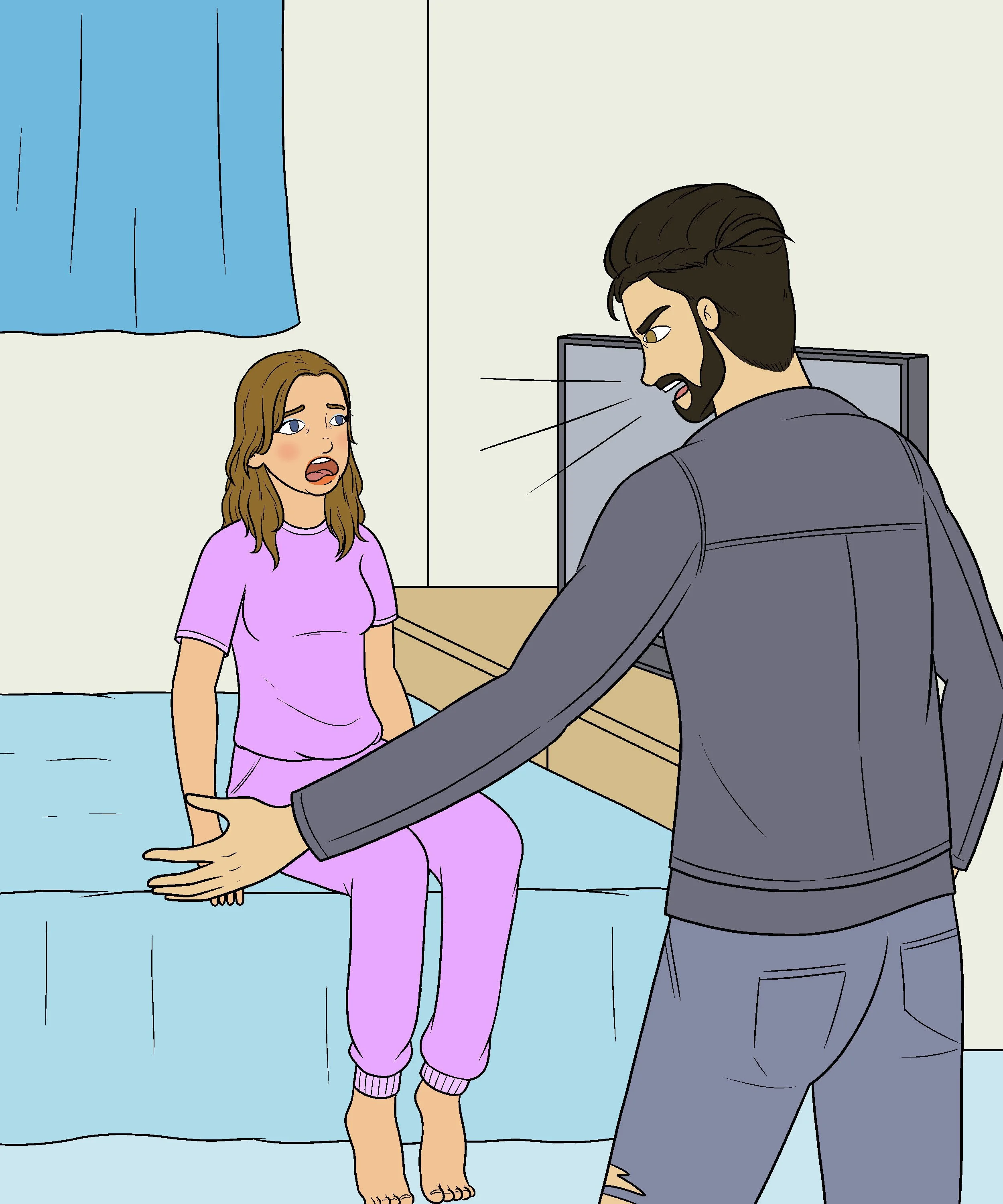
Narcissistic abuse is one of the most disorienting and emotionally damaging forms of psychological harm. It is often subtle at first, growing stronger over time through manipulation, gaslighting, emotional instability, and repeated violations of trust. A core strategy frequently used in narcissistic abuse is DARVO—a manipulative defence pattern identified by psychologist Dr Jennifer Freyd.
As a clinical psychologist with a special interest in betrayal trauma, narcissistic abuse, and trauma bonds, I support clients through online therapy worldwide and face‑to‑face psychology sessions on the Gold Coast, Queensland. Understanding DARVO and the personality structures associated with it helps people make sense of the confusion they’ve experienced or continue to experience.
What Is Narcissistic Abuse?
Narcissistic abuse is a pattern of emotional and psychological manipulation used by individuals with strong narcissistic traits. It often includes:
Gaslighting and distortion of reality
Blame‑shifting and minimising your feelings
Withholding affection or approval as punishment
Emotional volatility followed by “love‑bombing”
Devaluation, criticism, and subtle belittling
Entitlement and disregard for boundaries
Twisting narratives to maintain control
The impact on the survivor is profound: confusion, self‑doubt, anxiety, emotional exhaustion, and a sense of losing yourself over time.
What Is DARVO?
DARVO is an acronym coined by psychologist Dr Jennifer Freyd. It describes a common pattern used by manipulators—especially those high in narcissistic or antisocial traits—to avoid accountability and place blame on the victim.
DARVO stands for:
Deny the behaviour
Attack the person who is confronting them
Reverse Victim and Offender—they position themselves as the victim and the actual victim as the perpetrator
For example, when confronted about hurtful behaviour, a narcissistic individual may respond by:
Strongly denying the event ever happened
Attacking your character, memory, or motives
Claiming *you* are the abusive or unreasonable one
The goal of DARVO is to discredit the victim, protect the perpetrator’s self‑image, and maintain control.
Why DARVO Is So Effective
DARVO works because it hits multiple psychological vulnerabilities at once. Survivors often feel confused, doubting their memory, and wondering whether they are at fault. This is especially true for people who are empathic, conscientious, or conflict‑avoidant—qualities that narcissistic personalities often exploit.
DARVO creates:
Self‑doubt
Confusion
Shame
Anxiety and emotional paralysis
Fear of speaking up again
Dependence on the abuser for “clarity”
This pattern keeps the survivor stuck, apologising, and trying harder—while the abusive behaviour continues unchecked.
The Dark Triad and Why These Personalities Commonly Use DARVO
DARVO is most frequently used by individuals who fall within what psychologists refer to as the Dark Triad personality traits:
Narcissism — entitlement, lack of empathy, grandiosity
Machiavellianism — manipulation, deceit, strategic cruelty
Psychopathy — lack of remorse, emotional coldness, impulsive harm
Individuals with strong Dark Triad traits often:
Struggle to tolerate shame or accountability
View others as objects rather than equals
Use manipulation to maintain control
Respond defensively when confronted
See vulnerability as an opportunity for exploitation
For these individuals, DARVO is not a momentary reaction—it is a deeply ingrained coping strategy designed to preserve dominance and avoid responsibility.
How DARVO Creates Trauma and Psychological Harm
Survivors of DARVO often experience:
Complex trauma responses
Hypervigilance around confrontation
Loss of trust in their own memory and perception
Shame and confusion
Difficulty trusting others
Emotional numbness or exhaustion
Feeling like the abuser is “right” and they are “wrong”
Many survivors also become trapped in trauma bonds, where intermittent affection or attention is mixed with emotional harm—making the relationship even harder to leave.
Healing After Narcissistic Abuse and DARVO
Healing is absolutely possible, and it begins with understanding that:
You were not imagining the manipulation
Your reactions were normal responses to abnormal behaviour
You were conditioned to doubt yourself
Your nervous system was overwhelmed, not “weak”
Rebuilding Self‑Trust
Narcissistic abuse erodes your sense of clarity and intuition. Therapy helps restore your ability to trust your perceptions, make grounded decisions, and reconnect with your self-worth.
Understanding the Patterns
Learning about gaslighting, DARVO, trauma bonds, and narcissistic behaviour brings enormous relief. Knowledge reduces shame and helps you recognise what was really happening.
Regulating the Nervous System
Chronic stress from abuse keeps the nervous system in a heightened state. Trauma‑informed therapy helps calm hypervigilance, reduce anxiety, and create emotional stability.
Supportive Therapy With a Trauma‑Informed Psychologist
Healing from narcissistic abuse requires compassion, safety, and deep understanding. I work closely with clients recovering from DARVO, gaslighting, and complex relational trauma through online psychology sessions worldwide and in‑person appointments in Hope Island, Gold Coast, Australia.
You do not have to process this alone! With the right support, clarity returns, self‑trust strengthens, and the emotional hold of narcissistic abuse can fully unwind. I am passionate about helping people from all walks of life recover and heal from painful relationship trauma. I too understand the confusion, self-doubt, anxiety and whole-body approach that is necessary to regain clarity, self-identity and confidence to reclaim your authentic self.
How to Recover from Betrayal
Betrayal Trauma
https//:www.openheartassets.com
What Is Betrayal Trauma?
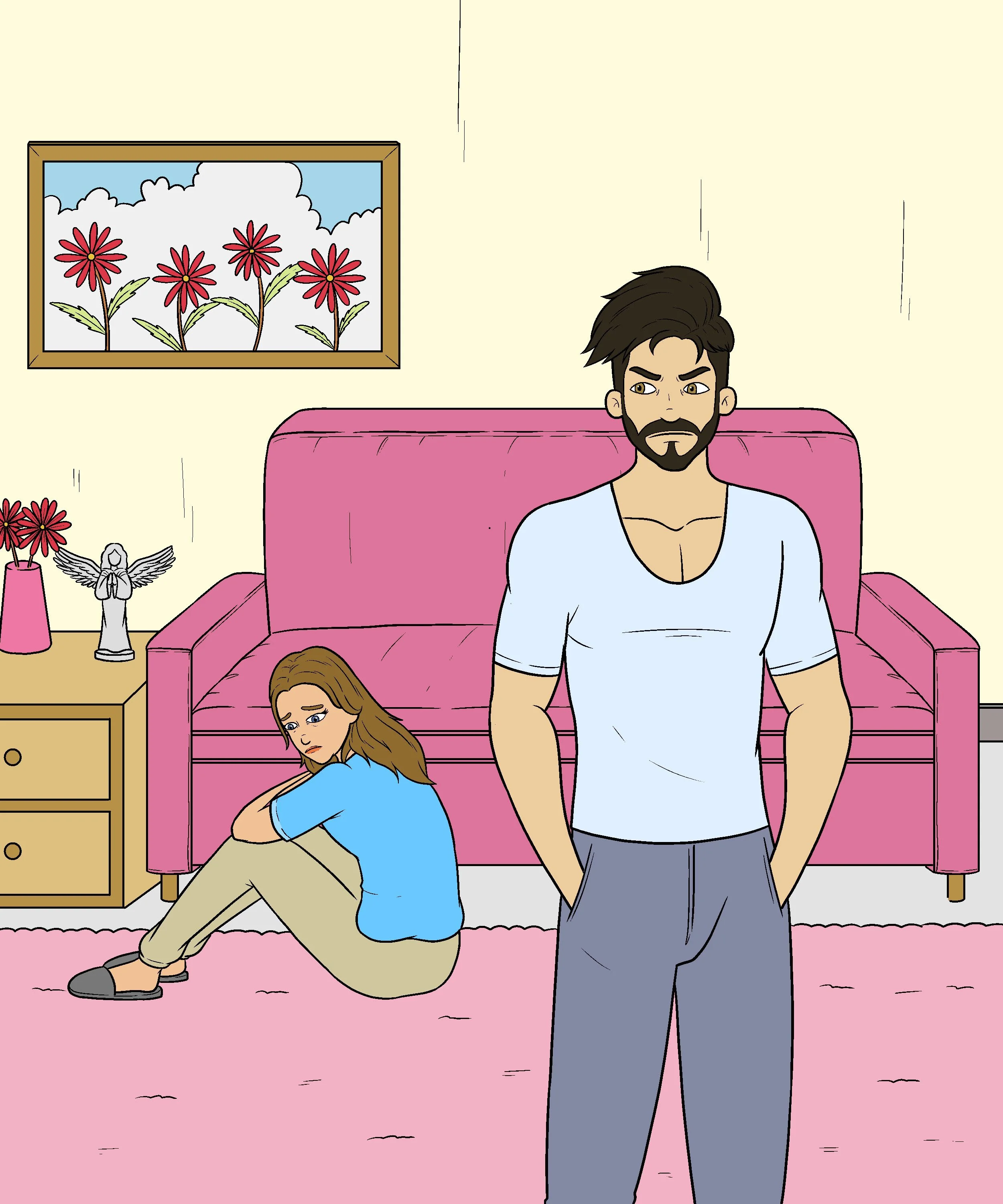
Betrayal trauma occurs when someone you deeply trust violates that trust—often over a prolonged period of time. The wound is not only in the hurtful behaviour but in the devastating realisation that the life you believed you were living was based on a facade. When this truth emerges, it can feel as though your entire internal world has collapsed. Many people describe questioning their memories, their judgment, and even their sense of identity.
If you are moving through this experience, you are not alone. Supporting clients with betrayal trauma is one of my clinical psychology special interests. I offer trauma-informed care through online psychology sessions worldwide and face-to-face consultations on the Gold Coast, Queensland. My work is grounded in both extensive clinical experience and personal understanding of how profoundly betrayal can shape the emotional landscape.
Symptoms of Betrayal Trauma
Betrayal trauma often mirrors a complex trauma response. These symptoms can feel overwhelming, frightening, and confusing—but they are a normal reaction to an abnormal situation.
Rumination and replaying conversations or events
Fixation on details or obsessiveness about timelines
Hypervigilance and difficulty calming the nervous system
Poor concentration or memory lapses
Anxiety, panic, or emotional flooding
Sleep disturbance or nightmares
Loss of appetite
Shame, self-blame, or feeling “foolish”
Fear of judgment from others
Difficulty trusting anyone—including yourself
Grief, sadness, numbness, or emotional shock
These responses arise because betrayal destabilises your internal sense of safety. You are reacting exactly as a human being would when their world has been shaken.
Why Didn’t I See the Betrayal Signs?
This is one of the most common questions I hear. Missing the signs of betrayal does not mean you were naive or unintelligent. There is a clear psychological explanation for this experience.
Betrayal Blindness Explained
Psychologist Jennifer Freyd coined the term betrayal blindness to describe the mind’s protective strategy in relationships where acknowledging a betrayal would threaten emotional or physical security. Your brain may “push away” information that feels too destabilising to process. She refers to the process as the “whoosh” effect where essentially, we “whoosh” away any evidence, feeling or thought that would threaten our attachment bond. Jennifer Freyd proposes this is most likely to occur when we feel we need the person in question.
This is an adaptive survival mechanism—not a flaw. Your system was protecting you.
When your emotional, relational, or practical safety relies on another person, your mind may unconsciously minimise or block awareness of harmful behaviour. This is a protective survival response—not a personal failure. Your brain was trying to shield you from a truth that would have felt too dangerous to acknowledge at the time.
What Are Trauma Bonds and Why Are They Connected to Betrayal Trauma?
A trauma bond forms when the person who causes emotional pain is also the person who provides comfort, closeness, or reassurance. This creates a powerful attachment cycle where your nervous system becomes bonded to the very individual who is destabilising your emotional world.
Trauma bonds often develop in relationships where there is:
Intermittent affection mixed with instability or deception
Emotional inconsistency or manipulation
Promises followed by repeated violations of trust
A cycle of hurt, apology, and reconnection
This dynamic makes it incredibly difficult to recognise betrayal while it is happening. In fact, trauma bonds often intensify betrayal blindness and make leaving or confronting the situation feel emotionally unsafe.
Understanding trauma bonds can be a profoundly relieving part of healing. Many clients experience a sense of clarity and self-compassion once they recognise that their attachment patterns were a survival response—not a reflection of weakness or fault. This is an area I work with deeply in both my online psychology sessions and in-person therapy on the Gold Coast, Queensland.
How to Heal from Betrayal Trauma
Healing is absolutely possible. Recovery from betrayal trauma involves rebuilding your internal foundations, processing the emotional aftermath, and restoring your sense of safety and trust.
Rebuilding Trust in Yourself
Betrayal often damages your confidence in your intuition and judgment. Therapy helps you reconnect with your inner signals and develop self-trust in a steady, supported way. To learn more about my approach, visit my About page.
Working Through the Emotional and Physical Symptoms
A trauma-informed approach helps you regulate hypervigilance, reduce rumination, manage anxiety, and stabilise the nervous system. Healing requires safety, gentleness, and pacing.
Accessing Professional Support
I offer warm, grounded, trauma-informed therapy online worldwide and face-to-face on the Gold Coast, Queensland. Together, we can process the emotional impact of the betrayal, understand the psychological patterns involved, and rebuild your sense of clarity and self-worth.
How Long Does Betrayal Trauma Last?
Recovery time varies and depends on several factors:
The length and severity of the betrayal
Whether the trauma echoes earlier life experiences
Your support system
Your ability to access trauma-informed therapy
Many people begin to feel more grounded once they understand their symptoms and start working through the emotional layers with compassionate guidance. You can explore my healing approach through my therapy services.
Why Betrayal Hurts So Much
Betrayal deeply affects the attachment system—the part of us responsible for safety, bonding, and emotional predictability. When someone you trust deceives you, it ruptures your sense of stability, fairness, and identity. This is why betrayal produces such a profound sense of injustice and emotional pain.
The wound is relational, psychological, and existential all at once.
Signs of Trauma After Infidelity
Infidelity is one of the most common triggers for betrayal trauma. After discovering an affair, you may experience:
Intrusive thoughts or replaying details
Comparisons with the other person
Feeling “not enough” or unworthy
Shock, disbelief, or numbness
Fear of the future or abandonment
Swings between anger, grief, and confusion
Infidelity is not merely a relationship rupture—it is a psychological trauma. The reactions you are experiencing are valid and appropriate.
Signs of Trauma After a Trauma Bond
When betrayal occurs inside a trauma bond, the signs can feel confusing and contradictory. A trauma bond creates a strong emotional attachment to the very person who is causing the harm, making it harder to recognise the betrayal or step away from it. Common signs include:
Feeling “hooked” or unable to detach from the relationship despite repeated hurt
Minimising or rationalising the other person’s behaviour
A strong push–pull dynamic—feeling desperate for closeness yet fearful of conflict
Taking responsibility for the other person’s emotions or actions
Forgiving harmful behaviour quickly in order to restore connection
Feeling intense anxiety or panic at the thought of the relationship ending
Experiencing shame for staying, leaving, or even questioning the relationship
Confusion about what is real and what is manipulation
These signs do not indicate weakness—they reflect a nervous system conditioned to seek safety through the person who is simultaneously creating the emotional injury. Understanding this dynamic is often a pivotal step toward healing. Start Healing Today.
Signs of Trauma After Family Betrayal
Family betrayal cuts deeply because it impacts the earliest layers of attachment, identity, and emotional safety. When betrayal comes from a parent, sibling, or caregiver, it can shape lifelong patterns of relating. Common signs of trauma after family betrayal include:
Feeling responsible for maintaining family harmony at your own expense
Difficulty trusting others or allowing closeness in relationships
A chronic sense of hypervigilance or being “on guard” around loved ones
Feeling guilty or disloyal when setting boundaries with family members
Minimising or normalising past hurtful behaviour
Overachieving, people‑pleasing, or over-functioning to avoid criticism
Accepting mistreatment in adult relationships because it feels familiar
Confusion about what healthy family dynamics should look like
Betrayal within families often lays the groundwork for trauma bonds in later relationships, because the nervous system gravitates toward what it recognises—even when it is painful. Gently exploring these patterns can be deeply healing and transformative. Start Healing Today.
Can You Recover From Betrayal Trauma?
Yes. With time, support, and compassionate therapeutic guidance, people absolutely recover from betrayal trauma. Many individuals eventually emerge with stronger boundaries, deeper self-awareness, and a clearer understanding of their emotional needs.
If you are ready to begin your healing journey, you can book an online or in-person therapy session or contact me directly to learn more.
Why Am I Trauma Bonded?
Trauma Bonds
What Are Trauma Bonds? Understanding the Psychology, Symptoms, and Path to Healing
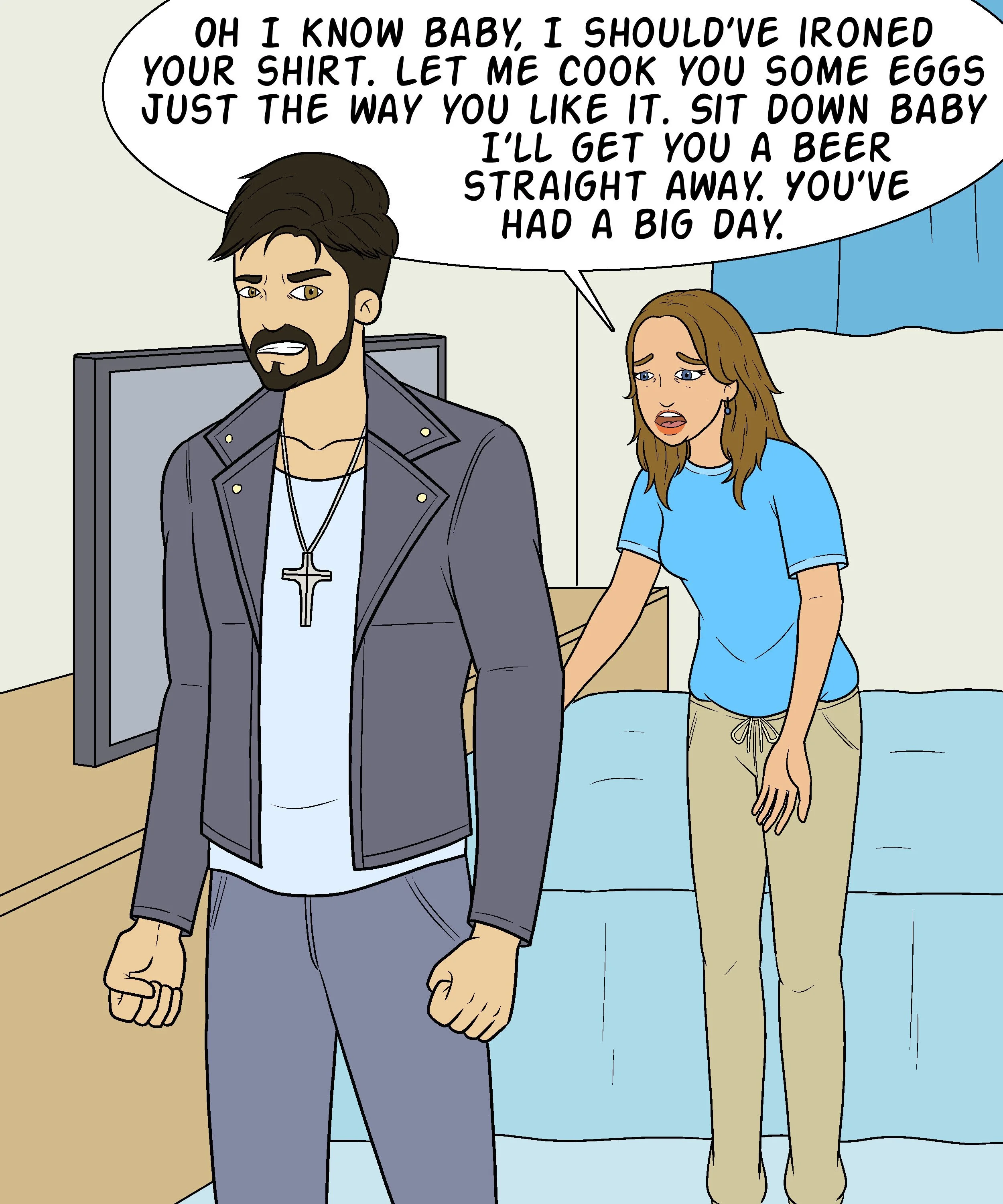
Trauma bonds are powerful emotional attachments that form between a person and someone who repeatedly harms, betrays, or destabilises them. These bonds can feel confusing, overwhelming, and incredibly difficult to break. Many people in trauma bonds describe feeling both deeply hurt and deeply attached at the same time—an experience that can feel frightening and isolating.
As a clinical psychologist with a special interest in betrayal trauma and trauma bonds, I support clients through online therapy worldwide and in‑person sessions on the Gold Coast. Understanding the psychology and neuroscience behind trauma bonds is an essential step toward healing.
What Causes Trauma Bonds?
Trauma bonds form in relationships where there is a cycle of emotional closeness followed by hurt, fear, instability, or betrayal. When comfort and harm come from the same person, the brain forms a survival‑based attachment to them.
This cycle is especially common in relationships involving:
Intermittent affection and inconsistency
Manipulation, gaslighting, or emotional volatility
Betrayal, secrecy, or broken trust
Control paired with reassurance
Unpredictable cycles of conflict and reconnection
Over time, the nervous system learns to seek safety from the very person who is creating the emotional threat.
Symptoms of a Trauma Bond
Trauma bonds can be difficult to recognise because the emotional pull often feels like love, loyalty, or intense connection. Common symptoms include:
Feeling unable to leave the relationship despite repeated hurt
Minimising or excusing harmful behaviour
Feeling “addicted” to the person or the cycle
Experiencing guilt or shame for wanting to leave
Obsessing about the relationship or the other person’s behaviour
Confusion about what is real and what is manipulation
Taking responsibility for the other person’s actions or emotions
Feeling panic, fear, or emptiness at the thought of separation
Strong emotional highs followed by deep lows
These symptoms are not signs of personal weakness. They reflect the way the brain adapts to relational instability and emotional unpredictability.
The Neuroscience Behind Trauma Bonds
Trauma bonds are not just emotional—they are neurological. They form because of the way the brain responds to stress, threat, and connection.
Key brain systems involved include:
The reward system (dopamine): Unpredictable affection creates powerful dopamine spikes, strengthening attachment through reinforcement.
The fear and survival system (amygdala): Conflict activates the amygdala, making you hyper-focused on the relationship as a matter of emotional survival.
The bonding system (oxytocin): After hurt or conflict, reconciliation releases oxytocin—deepening trust, even when it is unsafe.
The stress system (cortisol and adrenalin): Chronic emotional stress creates dependency and exhaustion, lowering resilience.
Over time, these systems create a biochemical loop that makes the relationship feel intense, addictive, and difficult to break away from—even when it is harmful.
Why Trauma Bonds Feel So Difficult to Break
Trauma bonds rely on a psychological pattern known as “intermittent reinforcement.” This is the same mechanism that makes gambling addictive—the reward is unpredictable, which makes the brain work harder to chase it.
In relationships with trauma bonding:
The “good moments” feel intensely emotional
The “bad moments” create fear, shame, or insecurity
The nervous system attaches to the cycle, not the person
Leaving feels like losing safety, even when the relationship is unsafe
This emotional cycle is why trauma bonds often persist long after logic, boundaries, or self-awareness have recognised the harm.
Signs You May Be Healing From a Trauma Bond
Healing from a trauma bond is gradual and layered. You may be healing if you begin to notice:
Less fear or panic when distance occurs
A shift from self-blame to self-compassion
A clearer sense of what is healthy and unhealthy
Reduced emotional reactivity
More energy, mental clarity, and calmness
Stronger boundaries and intuition
A growing trust in your own perception
These changes often appear slowly at first, then build momentum with support and insight. Start Healing Now.
How to Heal from a Trauma Bond
Healing is absolutely possible. With the right support, you can break the psychological and neurological cycle and rebuild your sense of safety, confidence, and identity.
1. Understanding the Bond
The first step is gaining clarity about how and why the trauma bond formed. This reduces shame and builds emotional strength.
2. Regulating the Nervous System
Therapy helps calm hypervigilance, anxiety, and emotional overwhelm—making space for clearer thinking and grounded decisions.
3. Rebuilding Self‑Trust
Many people feel they “should have known better,” but trauma bonds form through survival instincts. Healing involves reconnecting with your intuition, boundaries, and self-worth.
4. Breaking the Cycle Safely
Leaving or redefining the relationship must be approached with care. I support clients in creating safe, thoughtful strategies that stabilise the nervous system and reduce emotional distress.
5. Supportive, Compassionate Therapy
As a clinical psychologist with deep experience in trauma bonds and betrayal trauma, I offer a warm, grounded, and evidence-based approach. You can access support through online psychology sessions worldwide or in-person therapy in Hope Island on the Gold Coast.
You do not have to untangle a trauma bond alone! With the right guidance, you can move toward clarity, safety, and emotional freedom.